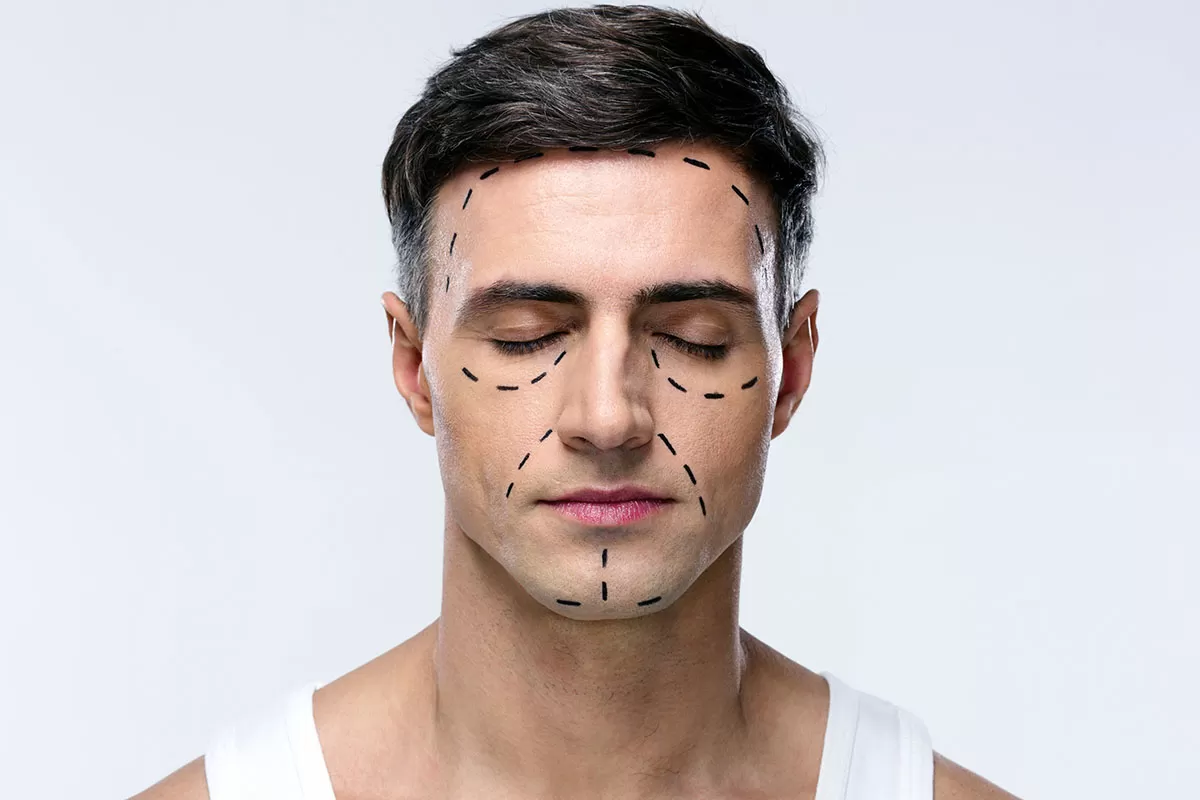
Interest in plastic surgery for men is growing as more men explore options for appearance, confidence, and physical function. Some want to address visible signs of aging, while others are concerned about body shape, facial proportions, or features affected by injury or genetics. The right choice depends on more than a desired look: age, anatomy, overall health, lifestyle, and expectations all influence suitability and results. Men seek cosmetic treatment for various reasons, commonly consider procedures and minimally invasive options, and should use safety questions to guide a consultation. It also explains what recovery may involve and why long-term outcomes can change with healing, aging, and daily habits.
Why Are More Men Choosing Plastic Surgery?

Men may consider cosmetic surgery for a range of personal, social, and practical reasons. Changes linked to aging, weight fluctuations, or genetics can affect how someone feels about their appearance, while improved confidence may influence social interactions or daily comfort. Some also believe that looking energetic and well-groomed supports their professional presentation, particularly in image-conscious workplaces.
Motivation is not always purely aesthetic. A consultation may involve concerns such as difficulty breathing, excess skin after significant weight loss, or enlarged breast tissue. In these situations, treatment can have both functional and appearance-related aims, although suitability depends on an individual assessment of anatomy, health, and lifestyle.
Growing visibility of male cosmetic treatment has also made these options easier to research, but trends should not determine a personal medical decision. Personal motivation matters: men should consider surgery because it aligns with their own goals, not because of pressure from social media, partners, colleagues, or changing beauty standards.
The Most Popular Procedures for Male Patients
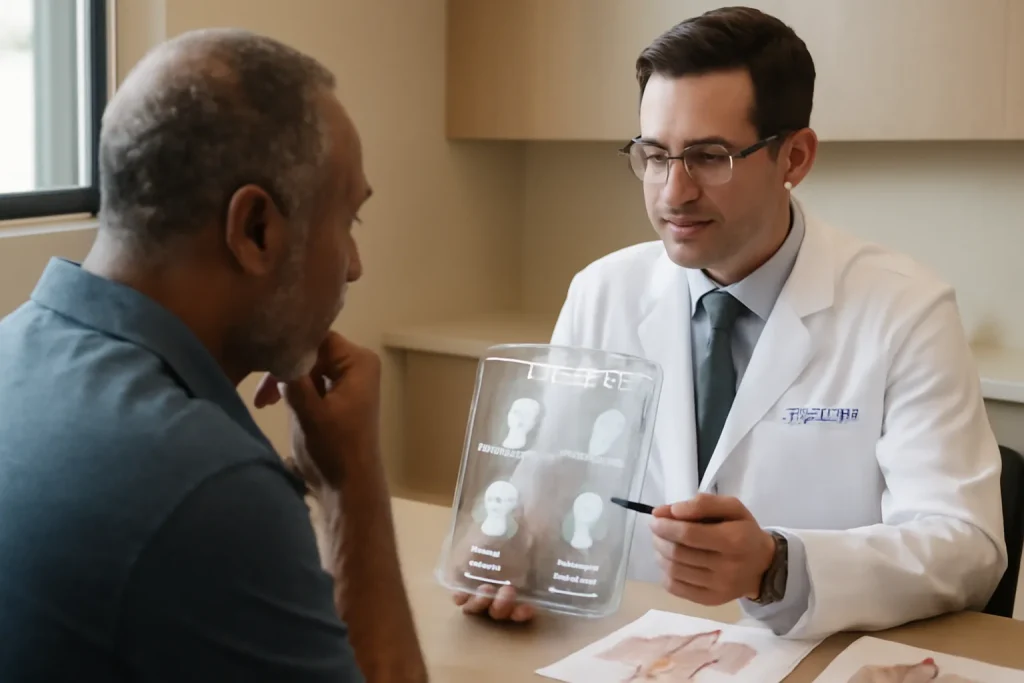
Male patients may explore different procedures depending on whether their concern involves facial aging, body contour, chest shape, or hair loss. The most suitable option is influenced by anatomy, skin quality, hair patterns, existing medical conditions, and the degree of change a person wants to achieve.
For facial concerns, rhinoplasty can address the shape or proportion of the nose, while eyelid surgery may reduce excess skin or puffiness around the eyes. A facelift can improve laxity in the lower face, and neck or jawline contouring may refine loose skin, excess fat, or a less defined profile. These procedures require careful planning because male facial anatomy and aesthetic preferences may differ from those commonly associated with female surgery.
Body-focused procedures include liposuction for localized fat that does not respond readily to lifestyle changes, gynecomastia surgery for excess glandular tissue or breast fullness, and abdominoplasty for significant loose abdominal skin. Liposuction is a contouring treatment rather than a weight-loss method, while abdominoplasty may involve tightening separated abdominal muscles when clinically appropriate.
Hair restoration is another consideration for men experiencing pattern hair loss. Techniques such as FUE or DHI may relocate grafts from a suitable donor area to thinning recipient areas, but future shedding, hair density, and the stability of existing follicles affect planning.
Nonsurgical treatments, including neuromodulators, dermal fillers, laser procedures, and skin-resurfacing treatments, may target wrinkles, volume loss, pigmentation, or skin texture without an operation. They are distinct from surgery and generally produce more limited or temporary changes. A qualified assessment is needed to determine whether one treatment or a combination matches the patient’s goals.
How to Choose a Qualified Plastic Surgeon
Choosing a plastic surgeon should involve more than viewing attractive before-and-after photographs. The goal is to verify that the surgeon has appropriate training, operates in a properly authorized setting, and can explain whether the requested treatment suits your anatomy, health, and aesthetic goals. Board certification from a recognized professional body, where applicable, can help confirm specialist training, but it should be considered alongside current licensing and procedure-specific experience. Taking time to research these factors can help you approach consultations with realistic expectations and make a more informed decision about your care.
- Verify credentials: Check the surgeon’s medical license, specialist qualifications, and hospital or surgical-facility privileges through reliable professional or regulatory sources.
- Assess relevant experience: Ask how frequently the surgeon performs the requested procedure and whether they routinely treat male patients with similar anatomical and aesthetic concerns.
- Evaluate the consultation: A careful consultation should cover goals, alternatives, limitations, potential complications, anesthesia, and the possibility that treatment may not be appropriate.
- Review informed consent: You should receive understandable information about risks and have enough time to ask questions before making a decision.
- Compare evidence thoughtfully: Patient testimonials and photographs may offer context, but recommendations, credentials, communication, and safety standards should carry greater weight.
Ask who will provide anesthesia, where the procedure will take place, and how urgent concerns are handled. A qualified surgeon should answer directly, avoid pressure, and provide clear written instructions and contact arrangements. Comparing consultations can reveal meaningful differences in judgment and communication before you commit to treatment. The right choice should reflect not only technical experience, but also a clear commitment to patient safety, honest guidance, and appropriate follow-up throughout the treatment process.
What Recovery Looks Like After Treatment

Recovery depends on the procedure, the extent of treatment, and how your body heals. Swelling, bruising, tenderness, temporary numbness, dressings, and activity restrictions are common possibilities, but their severity and duration differ between patients. Your surgeon should explain what is expected for your specific operation.
Plan practical support before treatment. Time away from work may be necessary, particularly for physically demanding jobs, while strenuous exercise, heavy lifting, driving, and air travel may need to be postponed. Arrange transportation if medication or discomfort could affect alertness, and consider help with household tasks. Sleeping with your head elevated or maintaining another recommended position may improve comfort during the early phase.
Follow the prescribed medication schedule and all wound-care, compression-garment, bathing, and follow-up instructions. Do not resume exercise or social activities simply because you feel better; obtain clearance from the clinical team. Contact your surgeon promptly if recovery symptoms worsen unexpectedly, especially with increasing pain, fever, spreading redness, unusual drainage, sudden swelling, breathing difficulty, chest pain, or another concerning change.
How to Set Realistic Expectations and Maintain Results

Expectations should be based on gradual change rather than an immediate final appearance. Swelling can obscure contours during the early healing period, while scars may continue to soften and fade over time. The first result is therefore not always a reliable indication of the outcome, and follow-up appointments help the surgeon assess progress safely.
A procedure can refine selected features, but it cannot stop aging, prevent future changes, or guarantee perfect symmetry. During planning, patients should describe what they hope to improve, why the change matters, and which compromises they would accept. A realistic discussion should also cover potential complications, limitations, and whether revision treatment could ever be considered.
Long-term results are influenced by stable weight, sun protection, smoking avoidance, balanced nutrition, and consistent general health habits. Significant weight fluctuations, extensive sun exposure, or lifestyle changes may affect appearance over time. Some patients may also benefit from clinician-approved skincare or nonsurgical maintenance, although these options should be selected according to the treated area and individual needs.
Keeping scheduled follow-up visits allows concerns to be identified before they become harder to address. Patients should contact their provider if new asymmetry, persistent swelling, pain, or changes in skin sensation develop, rather than assuming the issue will resolve without assessment.
FAQs
What is the most common cosmetic procedure for men?
Botulinum toxin injections, commonly known as Botox, are often considered the most common cosmetic procedure for men. They temporarily reduce the appearance of dynamic wrinkles, especially on the forehead and around the eyes, with little downtime. Other popular options include hair restoration, dermal fillers, laser treatments, and body contouring.
How long does recovery usually take after male cosmetic surgery?
Recovery usually takes one to three weeks after male cosmetic surgery, although the exact timeline depends on the procedure, such as gynecomastia surgery, liposuction, hair restoration, or facial surgery. Swelling and bruising often improve within the first two weeks, while final results may take several months as tissues heal. Follow your surgeon’s aftercare instructions and attend follow-up appointments to support a safe recovery.
Are plastic surgery results for men permanent?
Results are often long-lasting, but they are not always permanent. Procedures such as implants or tissue removal can provide durable changes, while natural aging, weight fluctuations, hormonal changes, and lifestyle factors may affect the appearance over time. Maintaining a stable weight, following aftercare instructions, and attending follow-up appointments can help preserve the outcome.