Stress can affect more than your mood—it may also disrupt the normal hair growth cycle. Many people notice increased shedding weeks or months after a period of intense stress, illness, emotional shock, or major life changes. This condition, often called telogen effluvium, occurs when more hair follicles than usual enter the resting phase at the same time. As a result, hair may appear thinner, especially during washing or brushing. But does stress directly cause permanent hair loss, or is the shedding temporary? The answer depends on the type of hair loss and what is triggering it. Understanding how stress affects hair follicles, how long stress-related shedding can last, and when to seek medical advice can help you respond early and protect your hair health.
What Happens to Hair During Stress Hair Loss?

During significant physical or emotional stress, some hair follicles shift out of the active growth phase earlier than usual. They enter the resting phase, and the affected hairs are later released as part of the normal shedding process. This delayed reaction explains why increased hair fall may become noticeable several weeks or even a few months after the stressful event rather than immediately.
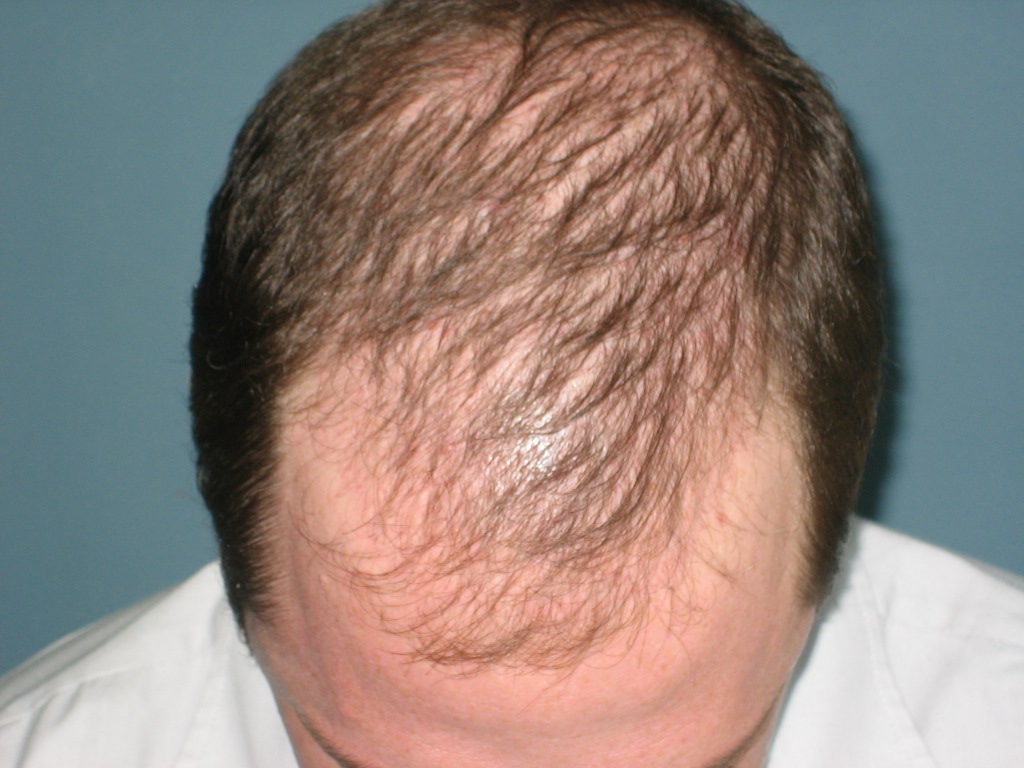
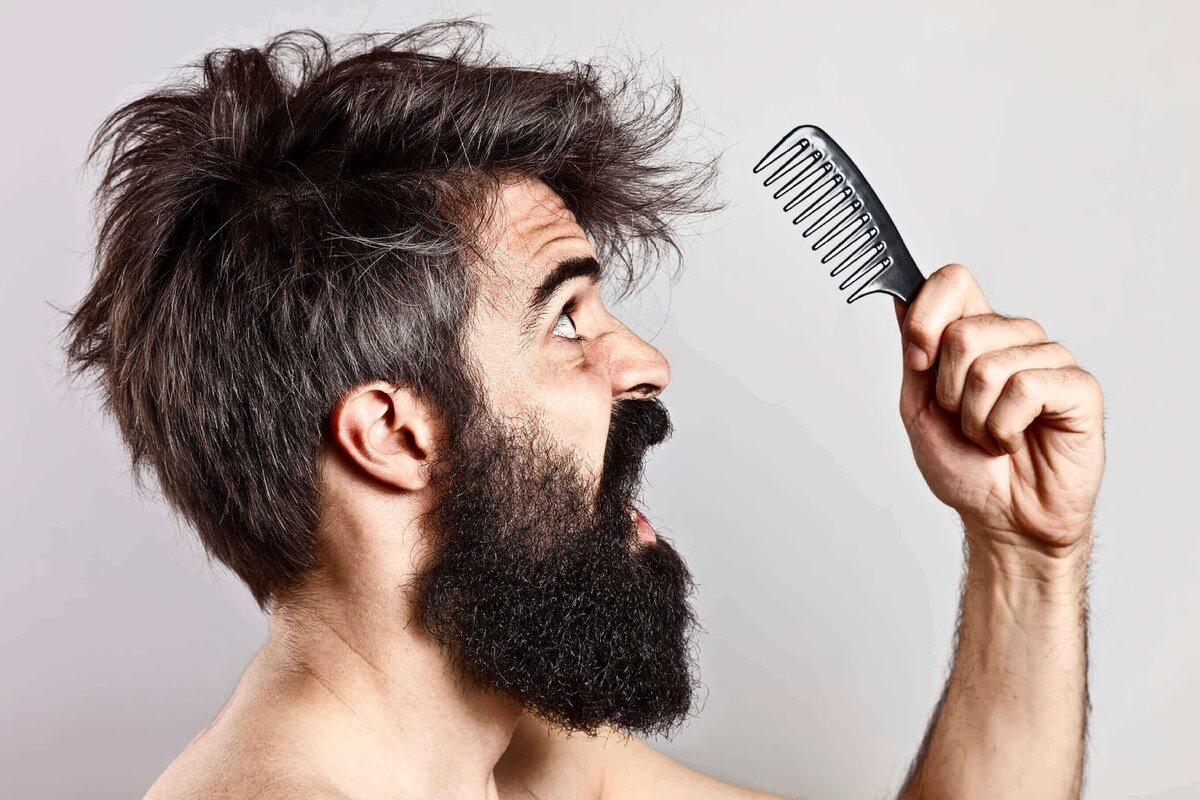
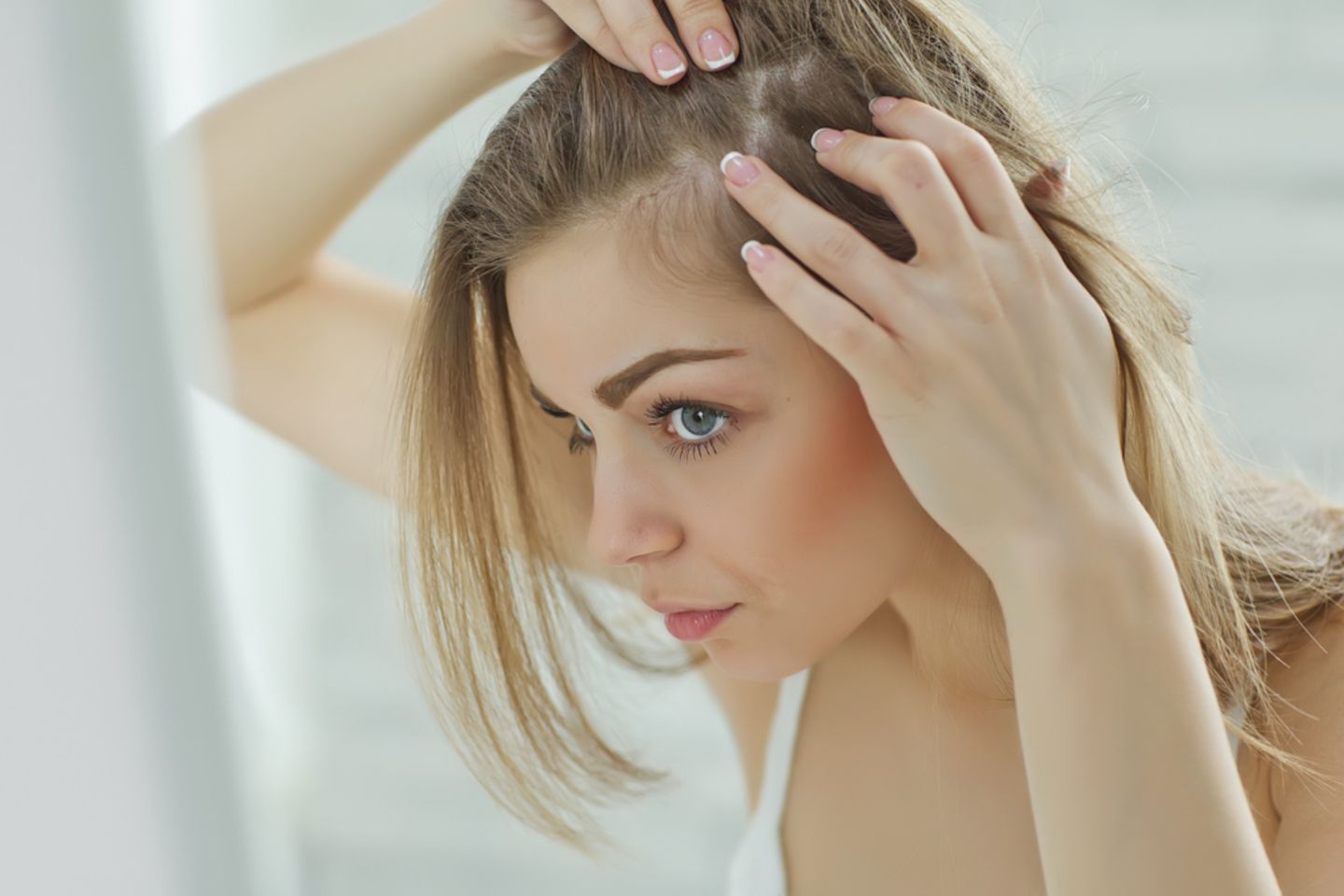
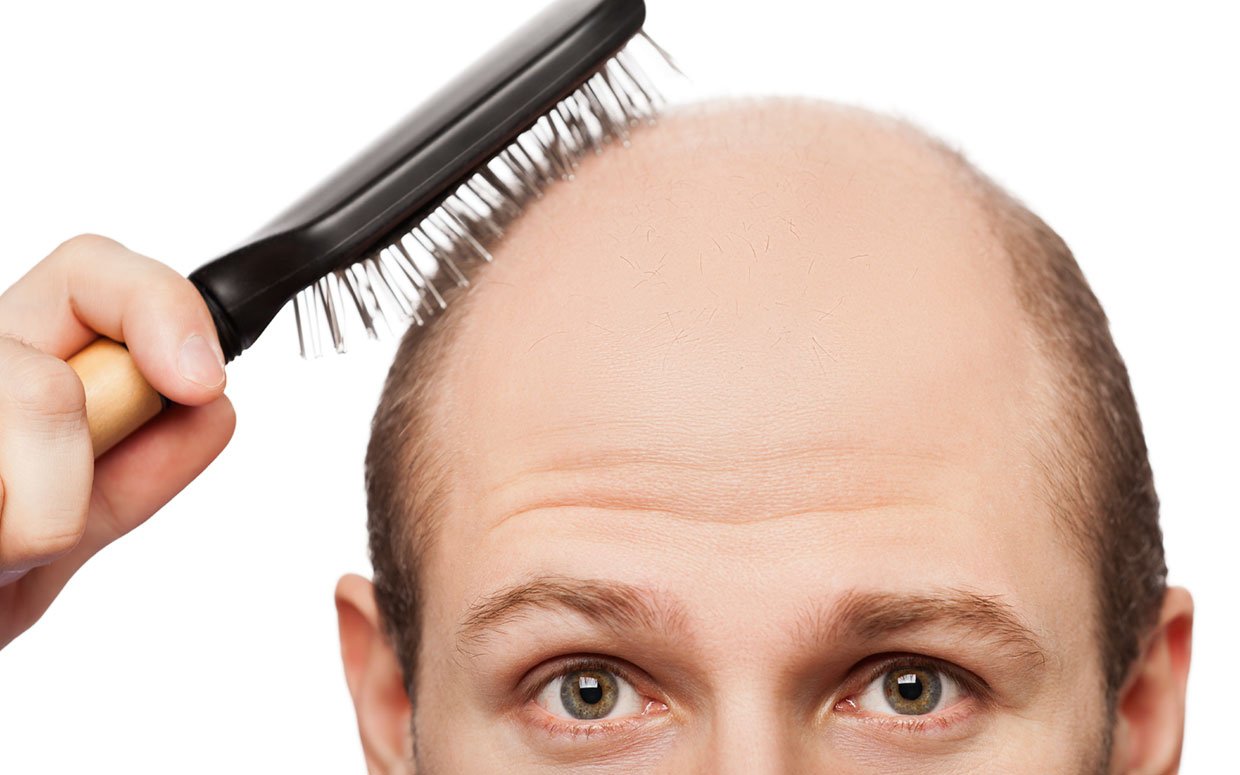
The condition commonly linked with this pattern is telogen effluvium. Instead of losing hair from one clearly defined patch, a person may notice more strands on a pillow, in the shower, or on a hairbrush. Density can appear reduced, especially around the part line, temples, or crown, but the scalp usually remains healthy-looking without scarring.
Stress does not usually destroy the follicles. In many cases, the follicles remain capable of producing new hair once the triggering strain has eased and the growth cycle stabilizes. However, ongoing stress, poor sleep, restrictive dieting, illness, or nutritional deficiencies may prolong shedding or make recovery less predictable.
New growth may appear as short, fine hairs along the hairline or part. Because scalp hair grows gradually, visible improvement often takes time even after shedding slows. Sudden bald patches, scalp inflammation, severe itching, or persistent thinning can suggest another cause and should be assessed by a dermatologist rather than attributed to stress alone.
Which Types of Stress Can Trigger Excessive Shedding?

Excessive shedding can follow many forms of stress, not just emotional pressure. The most common trigger is a major event that places a sudden demand on the body, such as a serious infection, high fever, hospitalization, surgery, or a significant injury. Rapid weight loss, restrictive dieting, and low intake of protein, iron, or other nutrients may also signal physical stress to the hair-growth cycle.
Emotional stress can contribute as well. Bereavement, relationship difficulties, work pressure, financial problems, anxiety, and prolonged sleep disruption may affect normal hair cycling, especially when several factors occur together. In some people, ongoing stress may also lead to behaviors such as pulling, twisting, or tightly tying the hair, which can cause additional breakage or traction-related loss.
Telogen effluvium is the typical pattern linked with a temporary stress response. A larger-than-usual number of follicles shifts into the resting phase, so shedding often becomes noticeable weeks to months after the original trigger rather than immediately. The intensity of hair loss does not always reflect how stressful an event felt; a relatively unnoticed physical strain can sometimes have a pronounced effect.
Hormonal changes, thyroid problems, medication changes, and nutritional deficiencies can produce similar shedding. If loss is sudden, patchy, persistent, or accompanied by scalp irritation, a medical assessment can help distinguish stress-related shedding from another condition.
How Long Does Stress-Related Hair Loss Last?
Stress-related shedding usually follows a delayed timeline rather than appearing immediately after a difficult event. In telogen effluvium, more hairs shift into the resting phase, and noticeable shedding often begins around two to three months after the triggering stress. This delay can make it difficult to connect hair changes with an illness, emotional crisis, surgery, rapid weight loss, or another event that occurred weeks earlier.
Telogen effluvium is usually temporary, but recovery is gradual because hair grows in cycles. The active shedding phase commonly lasts several weeks to a few months, while visible fullness may take longer to return.
- Trigger resolution: Shedding may continue until the body has recovered and the underlying stressor is controlled.
- Early improvement: Reduced hair in the brush or shower can appear before new growth becomes easy to see.
- Regrowth: Fine, short hairs may emerge near the hairline or part, although restoring previous density can take several additional months.
- Persistent symptoms: Continued heavy shedding beyond roughly six months may suggest chronic telogen effluvium or another condition requiring assessment.
Hair growth rarely returns at exactly the same speed across the scalp. Nutrition, thyroid function, hormonal changes, medications, genetics, and ongoing stress can all influence the timeline. A dermatologist should evaluate sudden patchy loss, scalp inflammation, significant thinning, or shedding that does not begin to improve, since these signs may indicate a cause beyond temporary stress-related loss.
How Can You Tell If Stress Is Causing Your Hair Loss?

Determining whether stress is behind hair shedding starts with looking at the pattern and timing. Stress-related telogen effluvium often causes increased hair fall two to three months after a major illness, emotional shock, surgery, rapid weight loss, or prolonged pressure. Because of this delay, the event that affected the hair cycle may no longer feel recent.
Shedding is usually diffuse rather than confined to one clearly defined bald patch. You may notice more hair on your pillow, in the shower drain, or on your brush, along with reduced overall density around the scalp. The hairline often remains intact, and the scalp typically looks healthy without significant redness, scaling, pain, or itching.
A simple way to assess the pattern is to compare recent photographs, part width, and the amount of hair lost during washing over several weeks. A gentle pull test performed by a clinician may also help identify active shedding. However, stress can occur alongside other causes, including thyroid disorders, iron deficiency, hormonal changes, medication effects, alopecia areata, or hereditary thinning.
Diffuse shedding with a delayed onset after a clear stressor strongly supports stress-related hair loss, but it does not confirm the diagnosis by itself. Seek medical evaluation if shedding continues, creates distinct patches, affects the eyebrows, or comes with scalp inflammation or other symptoms. A dermatologist can examine the follicles and order targeted blood tests when appropriate.
What Treatments and Habits Support Hair Regrowth?

Supporting regrowth starts with addressing the trigger rather than treating shedding alone. Once the underlying stress has eased, hair usually benefits from consistent nutrition, adequate sleep, and gentle scalp and hair care. A dermatologist can also check for other contributors, such as iron deficiency, thyroid problems, hormonal changes, medication effects, or an additional form of hair loss.
Eating enough protein and maintaining a balanced diet provides the building blocks needed for new hair production. Restrictive dieting, rapid weight loss, and uncorrected deficiencies may prolong shedding, so supplements should be used only when testing or professional advice shows a need. Taking excessive biotin or other products without guidance can be unhelpful and may interfere with some laboratory tests.
Minoxidil may be appropriate for certain people with ongoing thinning, but it does not treat every cause of hair loss. A healthcare professional can explain whether topical or oral treatment is suitable, including possible side effects and how long results may take. Prescription options depend on the diagnosis, age, sex, medical history, and pregnancy considerations.
Protect fragile strands by avoiding tight hairstyles, frequent bleaching, high heat, and harsh chemical treatments during recovery. Gentle washing does not cause follicles to release healthy hair, while regular sleep, physical activity, relaxation techniques, and mental health support may help manage the stress response. Seek medical assessment if shedding continues, bald patches appear, the scalp becomes inflamed, or regrowth does not begin as expected, because persistent symptoms may require a different treatment plan.
FAQs
Can anxiety cause sudden hair shedding?
Yes. Significant or prolonged anxiety can trigger telogen effluvium, a temporary form of diffuse hair shedding that often appears several weeks to months after the stressful period. Hair growth commonly improves once the trigger is managed, but sudden, patchy, severe, or persistent loss should be assessed by a healthcare professional to rule out other causes.
Will hair grow back after stress-related loss?
Yes, stress-related hair loss is usually temporary, and hair often grows back once the underlying stress improves. Shedding commonly decreases within a few months, while noticeable regrowth and restored hair density may take six to twelve months. If hair loss persists, worsens, or appears in patches, consult a healthcare professional to check for other causes.
When should I see a doctor about hair loss?
See a doctor if hair loss is sudden, rapid, patchy, or accompanied by scalp pain, itching, redness, scaling, or sores. Medical advice is also recommended if you notice thinning with fatigue, weight changes, hormonal symptoms, or increased shedding after starting a medication. A dermatologist can identify the cause early and recommend appropriate treatment.