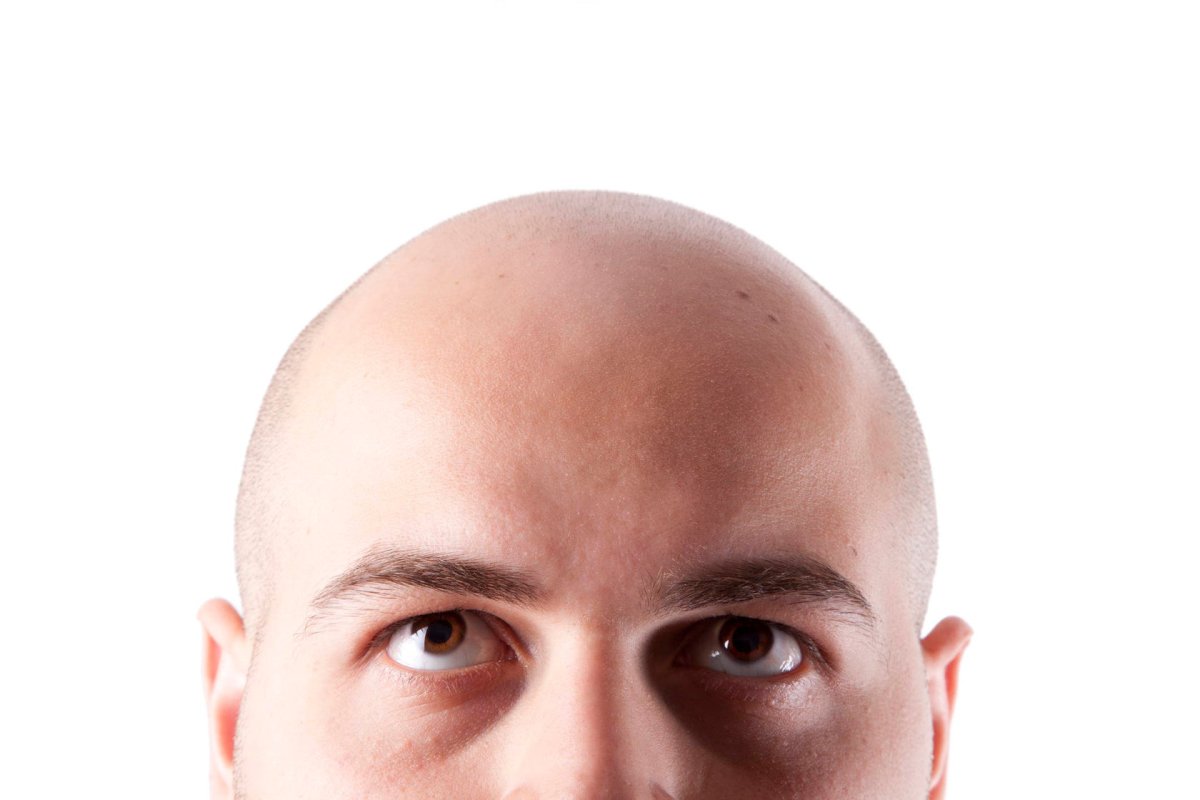
Returning to work after a hair transplant depends on more than the procedure date. Your recovery, job demands, visible scalp changes, and clinic instructions all affect when you can resume normal duties. Someone working from home may feel comfortable sooner than a person exposed to dust, heat, physical exertion, or frequent contact with others. Recovery from FUE and DHI can differ between patients. This guide explains how to judge work readiness, protect newly placed grafts, and manage common concerns such as redness, swelling, or scabbing without relying on an unsuitable fixed deadline.
What Determines Your Return to Work After Hair Transplant?

The timing of a return to work depends on more than the number of days since the procedure. The type of hair restoration, the number and location of implanted grafts, and the way your scalp is reacting all influence how comfortable and practical it will be to resume normal routines.
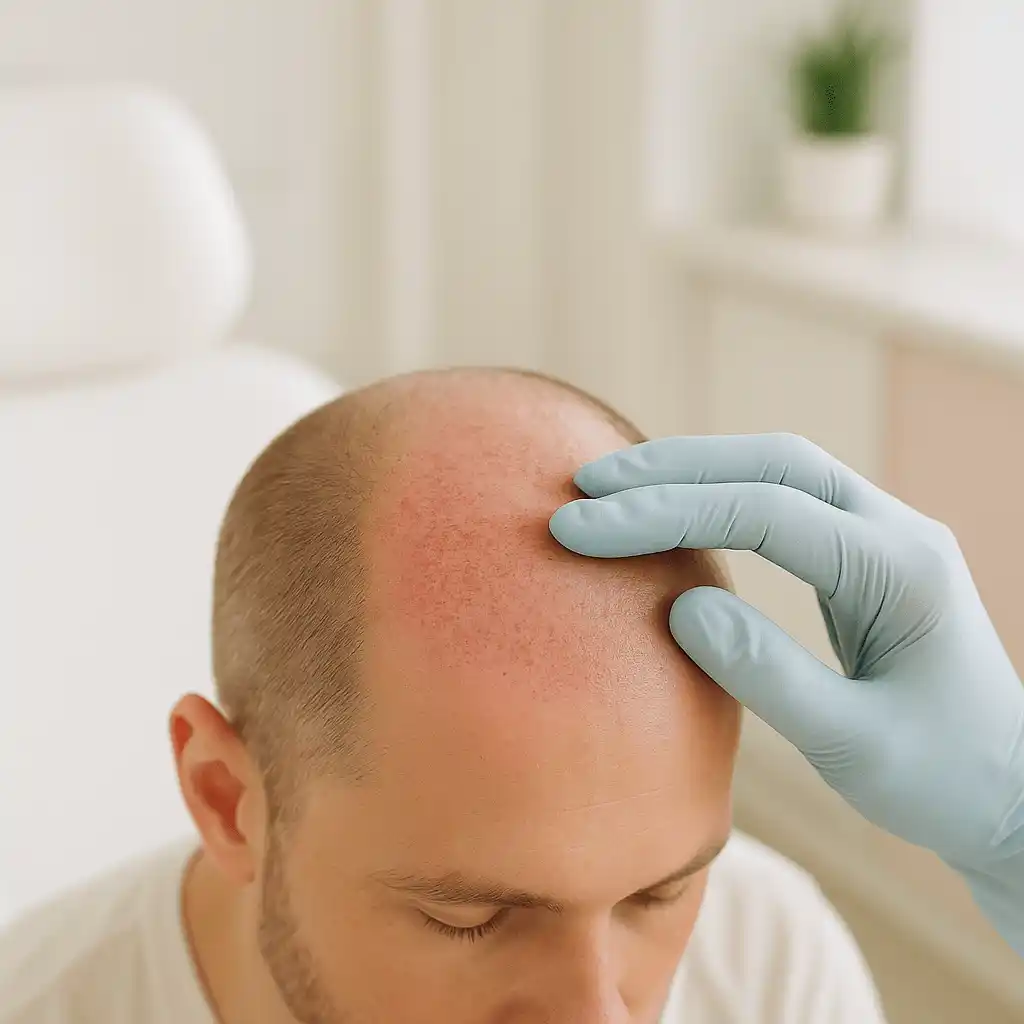
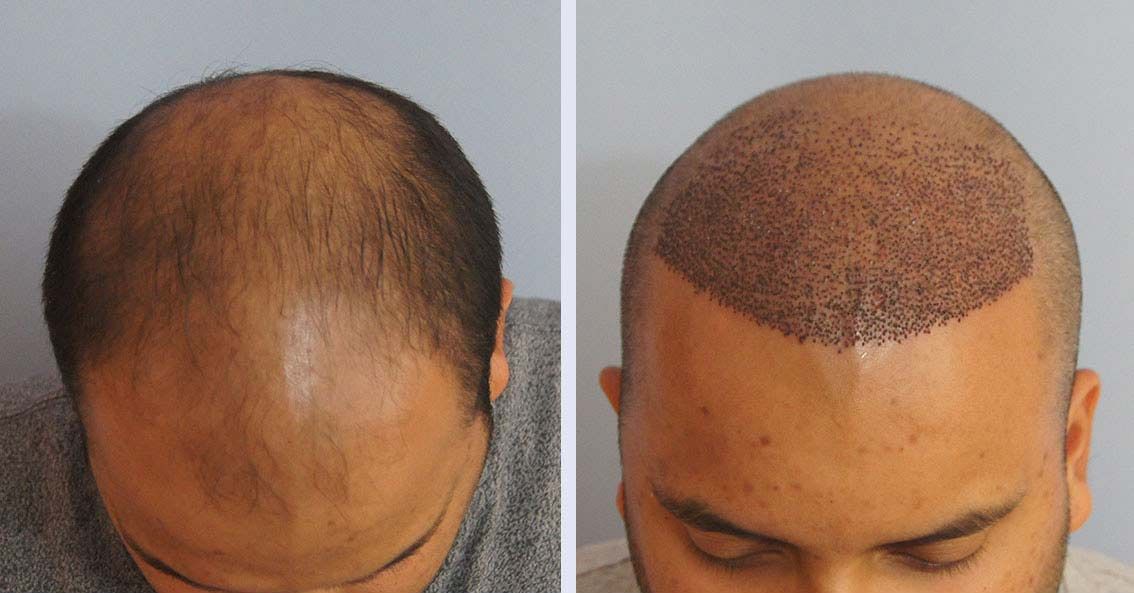
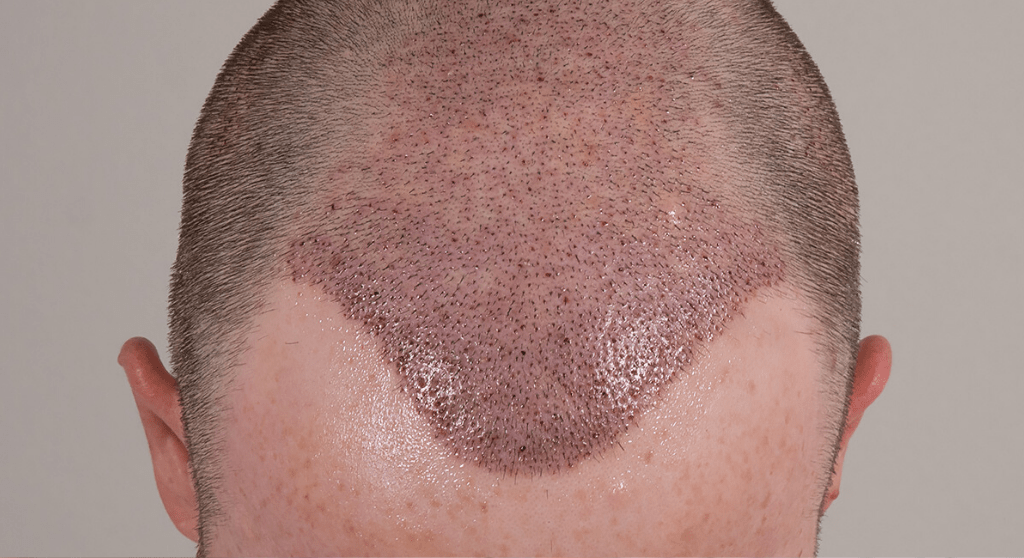
Swelling, redness, crusting, or tenderness around the recipient and donor areas may make returning to a public-facing role difficult, even if you feel physically well. These visible signs can vary according to the treatment technique, graft placement, individual healing response, and aftercare. A desk worker may be able to function normally while still preferring additional privacy because of scalp changes.
Physical ability and appearance are separate considerations. Someone may feel energetic enough to work but still need to avoid pressure, friction, excessive heat, or situations that make careful graft protection difficult. Conversely, mild redness may be manageable for a remote worker or someone with flexible hours.
Individual recovery should guide the decision rather than a fixed timetable. Consider your symptoms, the visibility of the treated areas, your comfort wearing work-appropriate clothing, and whether your workplace allows breaks and gentle aftercare. Your surgeon or clinic’s instructions always take priority over general information, especially if swelling worsens, pain increases, or healing looks unusual. These factors provide a more reliable basis for planning than procedure labels alone.
How Long Should You Rest After FUE or DHI?
After FUE or DHI, the first part of recovery is focused on protecting newly placed grafts and allowing the scalp to settle. Tenderness, mild swelling, tightness, redness, and small scabs can make normal work uncomfortable, even when the procedure itself was straightforward. The recipient area may also need careful handling, so rushing back to a busy routine can make aftercare more difficult.
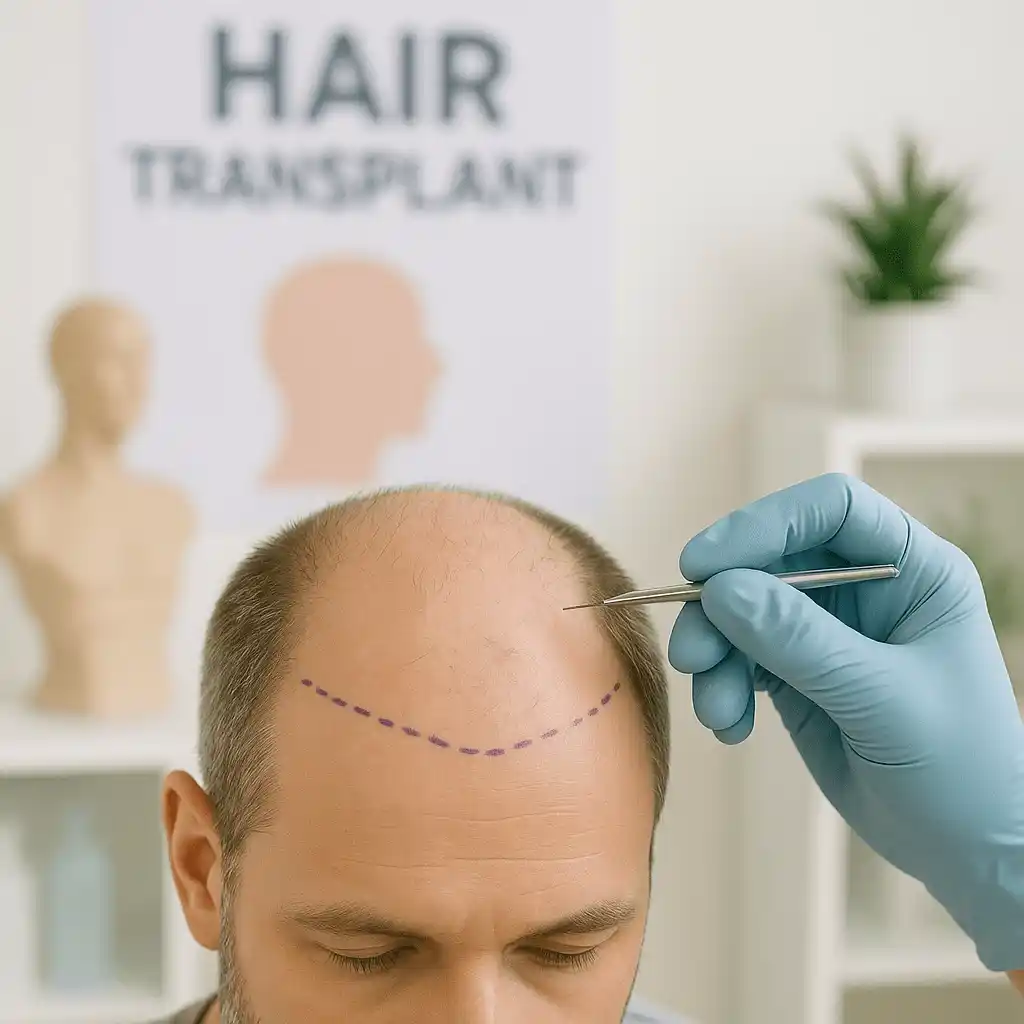
FUE removes individual follicular units from the donor area, while DHI places grafts with an implanting pen. Although the techniques differ, both require similar precautions during the early healing period. A desk-based worker may feel able to resume light duties relatively soon, but this does not mean the scalp has fully recovered or that all activities are safe.
There is no universal number of rest days after a hair transplant. Some people plan a short break, while others choose additional time away because of discomfort, visible scabbing, extensive graft placement, or the need to travel. Long journeys, heat, dust, crowded public transport, and limited access to a clean place for aftercare can all make an early return less practical.
Protecting the grafts during early healing should guide your schedule more than a fixed calendar. Follow the clinic’s washing, sleeping, medication, and activity instructions, and ask when your specific scalp condition is suitable for work. Your surgeon or care team can adjust the timeline according to the number of grafts, the areas treated, and how your recovery is progressing.
Which Work Activities Can Affect Hair Transplant Recovery?

The demands of your job can influence how safely you resume normal routines after a hair transplant. Activities that increase sweating, place pressure on the scalp, or create a risk of bumping the recipient area may be unsuitable until your clinic confirms that the grafts are secure.
Desk-based or remote work is often easier to modify because you can limit movement, avoid crowded spaces, and control the temperature. Customer-facing roles may be physically manageable but can feel challenging if redness, swelling, or scabbing is still visible. These appearance-related changes should be discussed separately with your clinic rather than covered aggressively.
Physically demanding work requires greater caution. Lifting, intense exercise, repeated bending, and rushing between tasks can increase sweating and may make it harder to follow aftercare instructions. Frequent bending can also cause discomfort or a feeling of pressure in the scalp. Avoiding friction and accidental contact with the grafts is especially important, so tight helmets, hard hats, headphones, and protective equipment should only be worn when approved by the treating team.
Your work environment matters as well. Heat, dust, smoke, chemical vapors, and direct sunlight may irritate the healing scalp or make careful cleansing more difficult. Outdoor workers may need temporary adjustments, while employees exposed to construction debris, salons, laboratories, or industrial chemicals should ask whether modified duties are appropriate.
Commuting can add similar concerns if it involves crowded public transport, motorcycle helmets, heavy sweating, or prolonged sun exposure. Any change to duties, protective equipment, or commuting arrangements should follow the clinic’s aftercare advice rather than a general timetable.
How Can You Hide Signs of a Recent Hair Restoration Procedure?
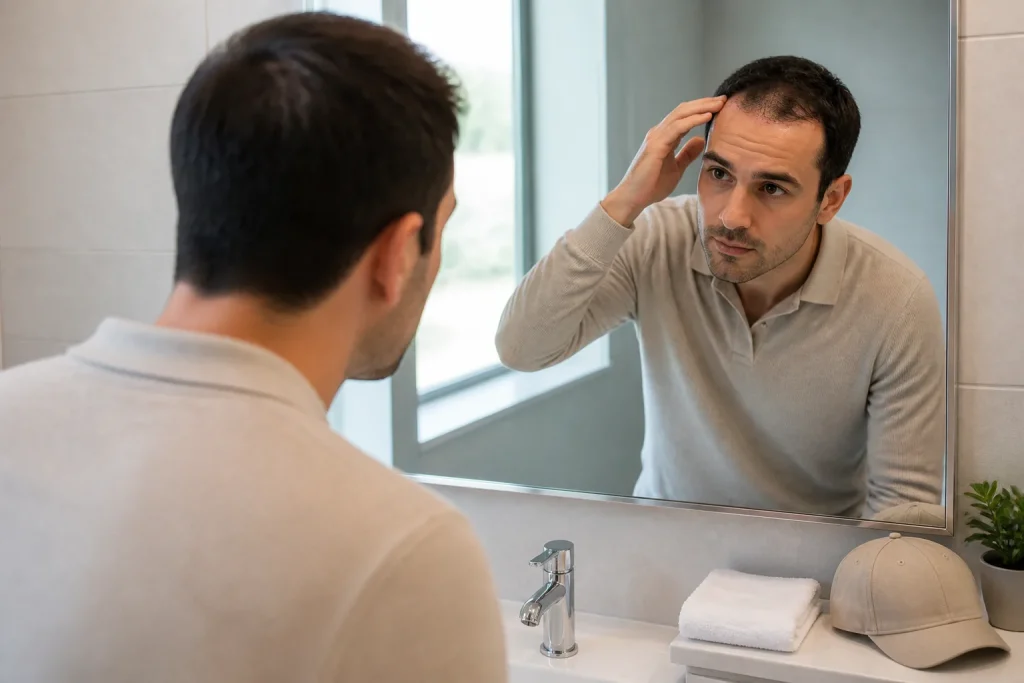
Visible redness, mild swelling, scabbing, or an uneven appearance can make the first days at work feel uncomfortable. These changes are often part of early scalp healing, so trying to cover them aggressively may create more risk than benefit. Let scabs loosen naturally, and avoid scratching, picking, or rubbing the recipient area.
A hat or other head covering may be acceptable for some people, but only after the clinic confirms that it is safe. It should be clean, loose enough to avoid pressure, and easy to remove without catching grafts or contacting tender skin. Tight caps, helmets, and unwashed coverings may increase friction or irritation.
Follow your clinic’s aftercare instructions before using concealers, fibers, gels, sprays, or other styling products. These products may not be suitable while the scalp is healing, particularly around newly implanted grafts. Washing should also follow the recommended method and timing rather than being changed to conceal redness or flakes.
When Should You Contact Your Clinic Before Returning to Work?

Contact your clinic before going back to work if recovery is not following the pattern you were given. Worsening pain, spreading redness, marked swelling, unexpected bleeding, discharge, or fever should be reported for clinical review rather than managed by simply delaying your return.
Ask for specific advice if you are unsure whether the grafts are adequately protected, whether medication could affect concentration or physical performance, or whether your workplace environment may interfere with healing. These questions are especially relevant when your symptoms differ from the expected recovery described by your medical team.
Changes from expected recovery do not automatically mean a complication, but they should be assessed by the treating clinic. Follow its individualized recommendation about postponing work, adjusting aftercare, or seeking further examination.
FAQs
Can I work from home the day after a hair transplant?
You can usually work from home the day after a hair transplant if your work is light and does not require physical exertion. Keep your head elevated, avoid bending, sweating, touching the grafts, or wearing anything that may rub the recipient area, and follow your clinic’s aftercare instructions. Take additional time off if you feel uncomfortable or if your surgeon advises rest.
Is it safe to wear a hat at work after hair restoration?
Wearing a hat after hair restoration is usually safe once your surgeon allows it, often after the first few days, but it must fit loosely and never press or rub against the recipient area or grafts. Avoid tight caps, helmets, and anything that causes sweating or friction during early recovery, and follow your clinic’s specific aftercare instructions for FUE or DHI.
What should I do if my workplace is hot, dusty, or physically demanding?
Follow workplace safety procedures, use suitable protective equipment, and take regular rest and hydration breaks in a cool, clean area. For dusty environments, wear the recommended respirator or mask and avoid removing it in contaminated areas; employers should also provide ventilation, dust control, and training. Report excessive heat, dust, unsafe lifting, or missing safety equipment to your supervisor, and seek medical help for breathing problems, dizziness, confusion, severe fatigue, or signs of heat illness.