Hair mesotherapy benefits are often discussed by people looking for non-surgical support for thinning hair, increased shedding, or reduced hair density. However, the treatment is not a universal solution, and its suitability depends on the underlying cause of hair loss, scalp health, and individual expectations. Hair mesotherapy may offer potential advantages, but it may help only with some concerns and has limitations. Medical assessment, treatment planning, recovery, and aftercare can also influence the experience. These factors can help you decide whether mesotherapy suits your concern or another hair restoration approach may be more appropriate.
What Is Hair Mesotherapy and How Does It Work?
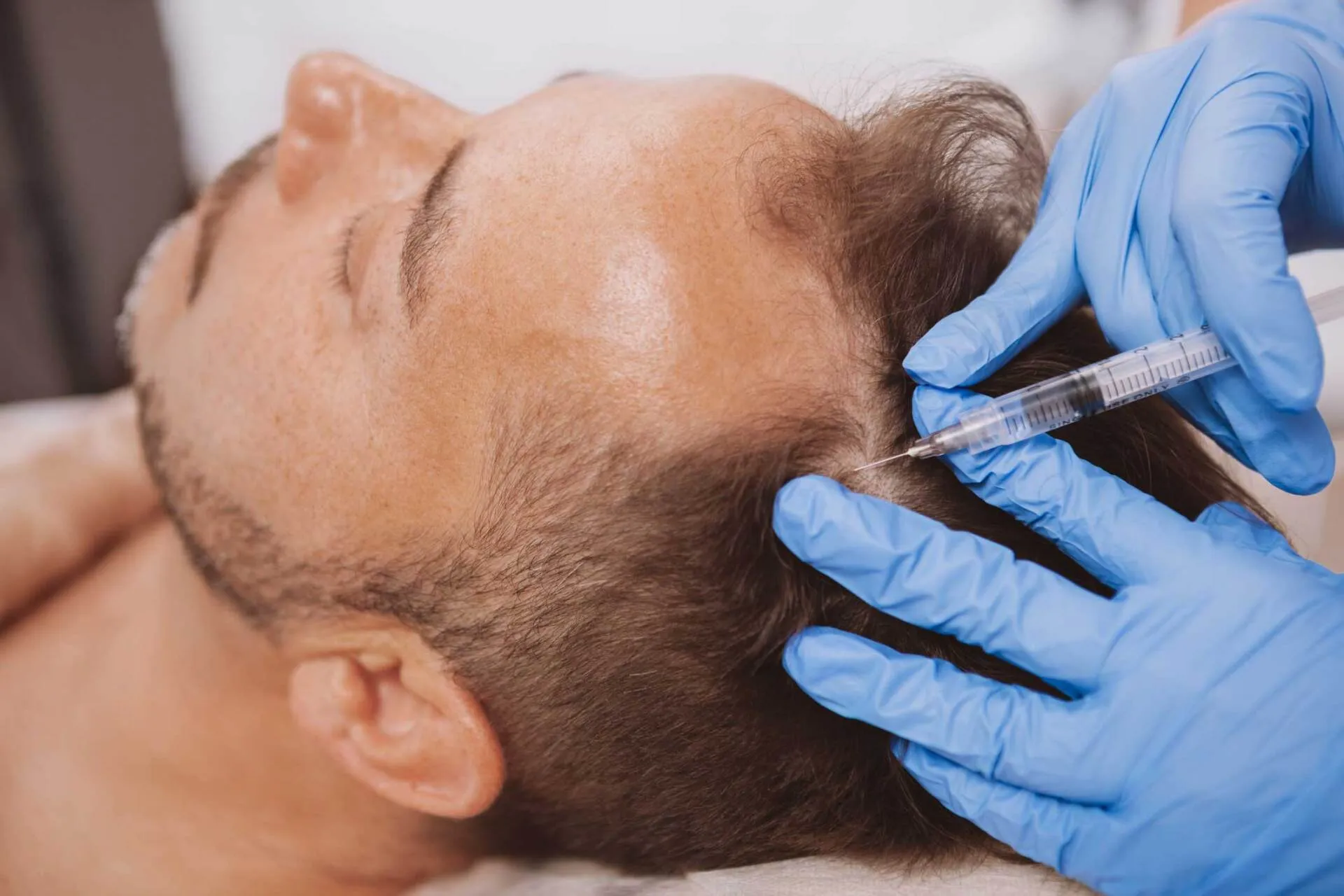
Hair mesotherapy is a minimally invasive scalp treatment that delivers small injections into the superficial layers of the skin. The technique is designed to place selected substances close to the hair follicles rather than introducing medication through the bloodstream or applying a product only to the surface. A session typically involves multiple injections across areas affected by thinning, with the number and spacing of injections determined by the practitioner.
There is no single standard mesotherapy formula. Depending on the clinic’s protocol and the patient’s needs, the injected solution may contain vitamins, minerals, amino acids, peptides, medications, or other compounds. The ingredients should be selected according to the suspected cause of hair loss, scalp condition, medical history, and the clinician’s rationale. Because formulations and injection depth can differ, treatment results and risks may also vary between providers.
The intended mechanism is local delivery: the solution is placed near the scalp tissues surrounding the follicles, where it may support the treatment plan for certain forms of thinning. However, mesotherapy does not create new follicles or replace damaged skin structures. It is also different from hair transplantation. A transplant involves removing grafts from a donor area and placing them into a recipient area using techniques such as FUE or DHI; mesotherapy involves no graft harvesting or implantation.
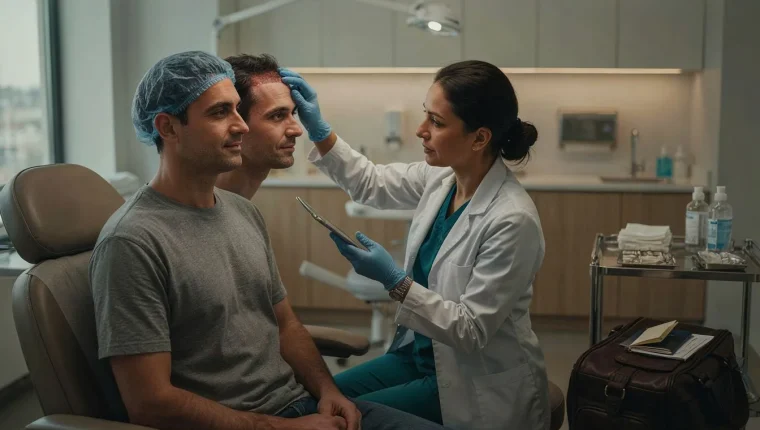
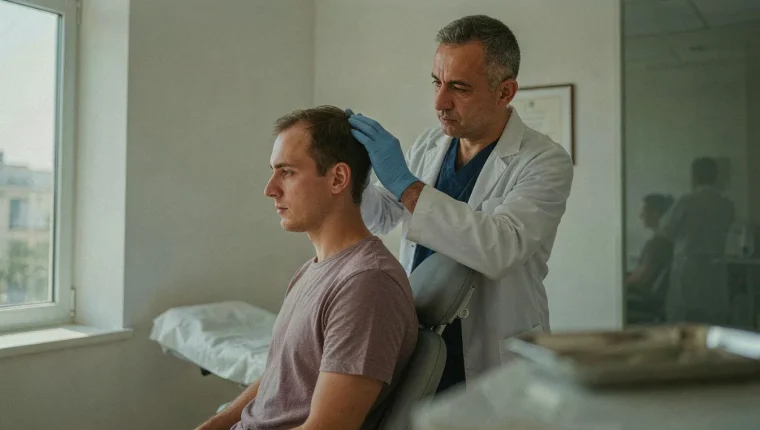
Before treatment, a medical assessment can help determine whether injections are appropriate and whether an underlying condition requires separate care. This distinction matters because the procedure addresses the scalp locally, while the cause of hair loss may involve hormones, genetics, inflammation, nutritional deficiencies, or systemic health factors.
How Hair Mesotherapy Benefits Scalp Health and Follicle Function

The condition of the scalp can influence how effectively hair follicles function. Hair mesotherapy is sometimes used to deliver selected substances into the skin near thinning areas, with the goal of supporting the local follicle environment rather than creating new follicles. Proposed benefits include improved scalp hydration, support for microcirculation, and the delivery of nutrients or other compounds close to the follicular structures.
Better circulation may help provide follicles with oxygen and nutrients, while adequate hydration can support the scalp’s protective barrier and reduce dryness or irritation. These effects are often discussed as part of the treatment’s potential to promote a healthier setting for ongoing hair growth. However, the exact ingredients, injection technique, and individual response can influence what the procedure may achieve.
The central concept is follicle support, not a guaranteed biological repair. A follicle affected by genetic sensitivity, hormonal changes, inflammation, nutritional deficiency, medication, or scarring may require a different form of evaluation and treatment. Improving the scalp environment cannot necessarily reverse permanent follicle damage or address the underlying trigger on its own.
For that reason, claims about circulation, hydration, or nutrient delivery should be viewed as proposed mechanisms rather than assured outcomes. A qualified clinician may examine the scalp, review medical history, and use diagnostic assessment to determine whether mesotherapy is a reasonable option. This evaluation helps distinguish scalp support from treatment for the actual cause of hair loss.
Can It Improve Hair Density and Reduce Shedding?
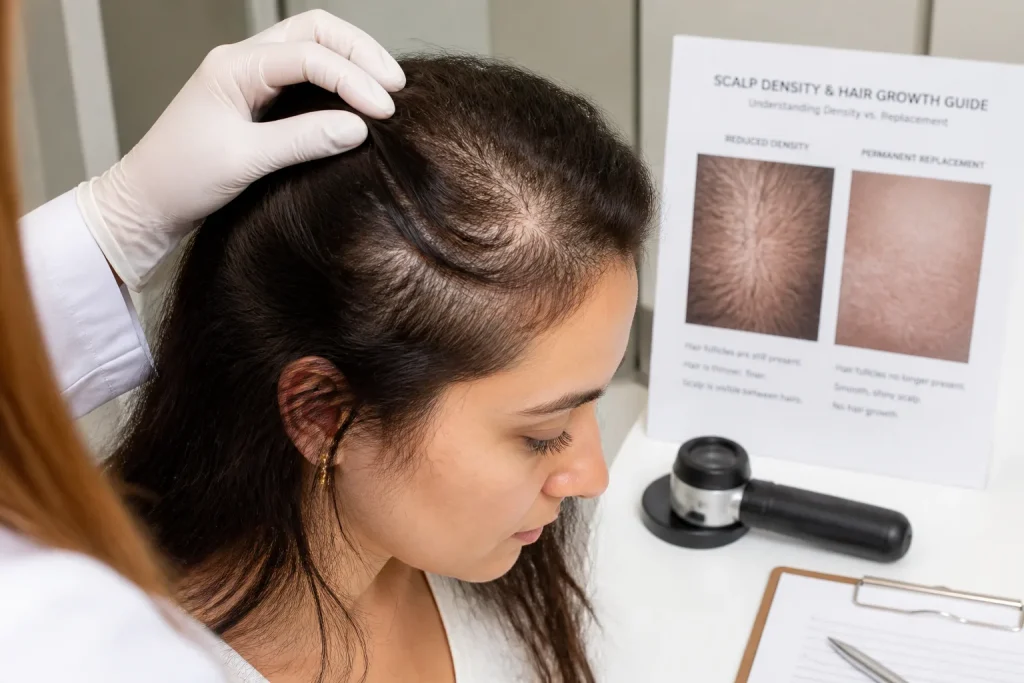
Hair mesotherapy may influence how full the hair looks, but its effect depends largely on why shedding is occurring and how much follicle activity remains. A reduction in daily hair fall can make the scalp appear less visible, yet this is different from creating new follicles. The treatment may support existing follicles in some cases, while it cannot replace follicles that have been permanently lost.
Visible improvement in density may also result from better hair caliber, less breakage, or more stable growth from follicles that are still active. These changes should not be confused with the predictable, permanent restoration associated with transplanted grafts. Any response can vary according to the diagnosis, baseline density, disease activity, scalp condition, and substances and technique used in the treatment protocol.
Shedding reduction should therefore be assessed separately from hair regrowth. Persistent, sudden, or heavy shedding may be related to nutritional deficiencies, hormonal changes, medication, illness, stress, inflammatory scalp conditions, or a genetic pattern. Treating the scalp without investigating these possible causes may delay appropriate care. A medical assessment can help determine whether mesotherapy is reasonable and whether another treatment is needed to protect remaining hair.
Who May Benefit Most From This Treatment?
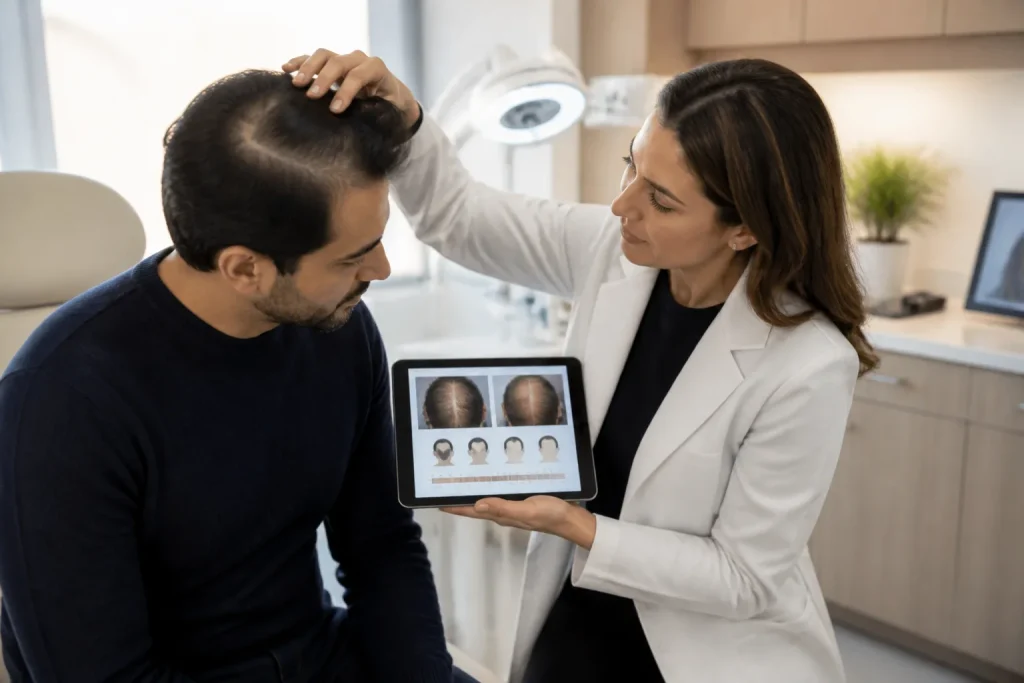
Suitability depends less on a desire for thicker hair and more on the reason the hair is thinning. Adults with early, diffuse shedding or pattern-related thinning may be considered after an examination confirms that the follicles are still capable of producing hair. Mesotherapy may also be discussed when scalp condition is contributing to poor hair quality, although the underlying cause still needs to be addressed.
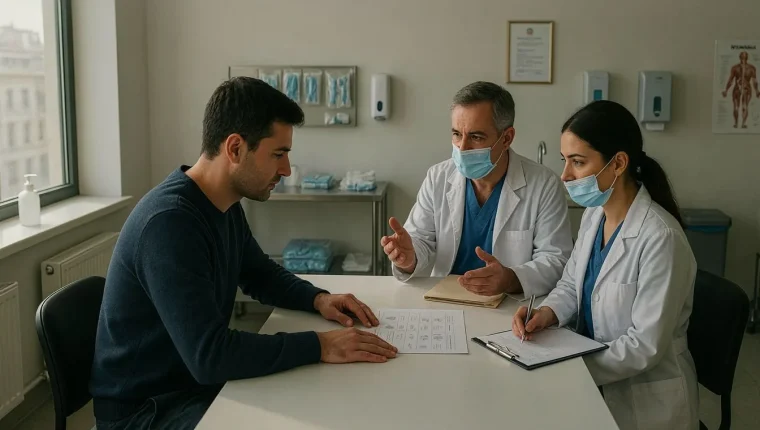
A consultation should come before treatment, particularly if loss is sudden, patchy, painful, or unexplained. These features may point to inflammation, infection, an autoimmune disorder, nutritional deficiency, hormonal changes, or another medical issue that requires a different approach. A clinician may assess the scalp, hair-pull pattern, family history, and, when appropriate, blood tests or other investigations.
Accurate diagnosis is therefore the most important part of deciding whether mesotherapy is appropriate. Medical history also matters: prescribed medicines, blood-thinning drugs, allergies, bleeding tendencies, skin sensitivity, and previous reactions to injected products should be reviewed. Pregnancy or breastfeeding may affect whether treatment is postponed, depending on the substances proposed and the clinician’s advice.
Expectations should be discussed openly as well. Someone seeking support for early thinning may have different options from a person with long-standing loss and inactive follicles. A qualified provider can compare mesotherapy with evidence-based medical therapy or hair restoration procedures, including whether graft-based treatment might be more suitable, before recommending a plan.
What Results, Limitations, and Aftercare Should You Expect?
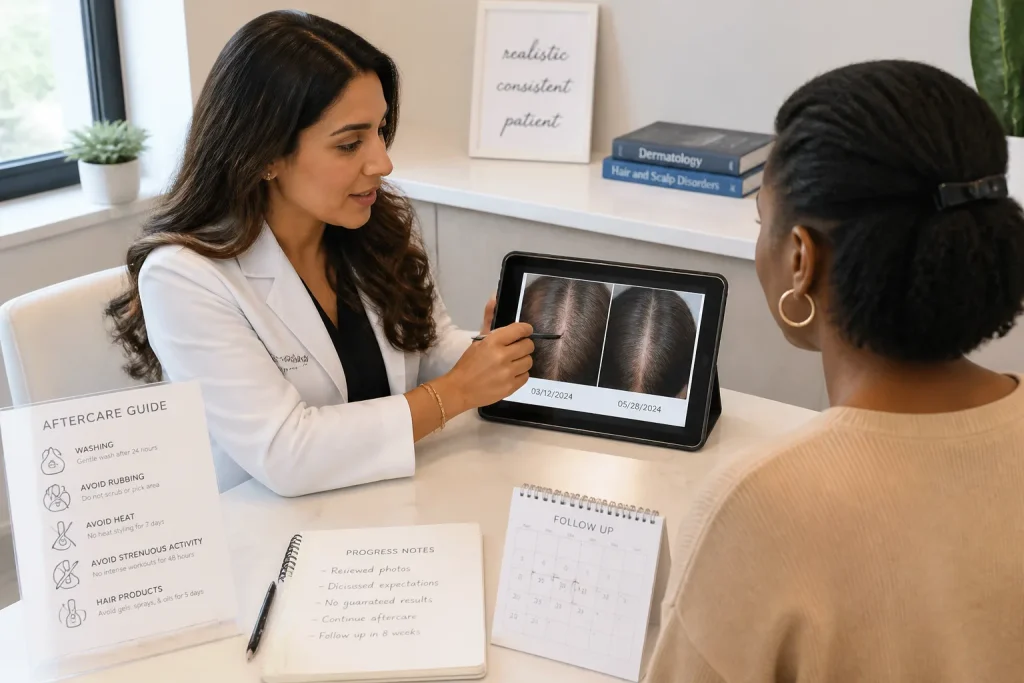
Results after hair mesotherapy depend on the injected formula, treatment protocol, underlying diagnosis, and individual response. The treating clinician should determine the session plan and explain when progress can be assessed; early changes may not reflect the final outcome. Consistent photographs and clinical reviews can provide a more reliable comparison than daily observation.
There are also clear limitations. Mesotherapy may support selected cases of non-scarring hair loss, but it cannot restore follicles that have been permanently destroyed by scarring or advanced follicle loss. It should not replace investigation of hormonal, nutritional, inflammatory, or medication-related causes.
After treatment, follow the provider’s instructions about washing the scalp, touching or rubbing injection sites, strenuous activity, heat, and hair products. Mild tenderness, redness, or swelling can occur, but monitoring for infection or an unexpected reaction is essential. Contact the clinic or seek medical assessment if pain worsens, redness spreads, drainage develops, fever appears, or symptoms do not settle as advised.
FAQs
Is hair mesotherapy suitable for all types of hair loss?
Hair mesotherapy may help some cases of early or diffuse hair thinning, particularly when hair follicles remain active, but it is not suitable for every type of hair loss. Its effectiveness depends on the underlying cause, such as pattern hair loss, alopecia areata, hormonal changes, or scarring alopecia, and it cannot restore follicles that have been permanently damaged. A dermatologist should assess the scalp and recommend appropriate treatments, which may include medication, platelet-rich plasma, or hair restoration procedures such as FUE or DHI.
How many sessions might be needed to see changes?
The number of sessions depends on the treatment type, the extent of the concern, and how your body responds. Some people notice early changes after one session, while others need a series of treatments spaced several weeks apart; a qualified specialist can recommend a realistic schedule after assessing your needs.
Are there side effects after scalp mesotherapy?
Mild side effects after scalp mesotherapy can include redness, swelling, tenderness, itching, bruising, or small injection-site bumps, and these usually improve within a few days. Temporary shedding or scalp sensitivity may also occur, depending on the substances used. Contact your practitioner if you develop severe pain, spreading redness, pus, fever, or symptoms that do not improve, as these may indicate an infection or allergic reaction.